

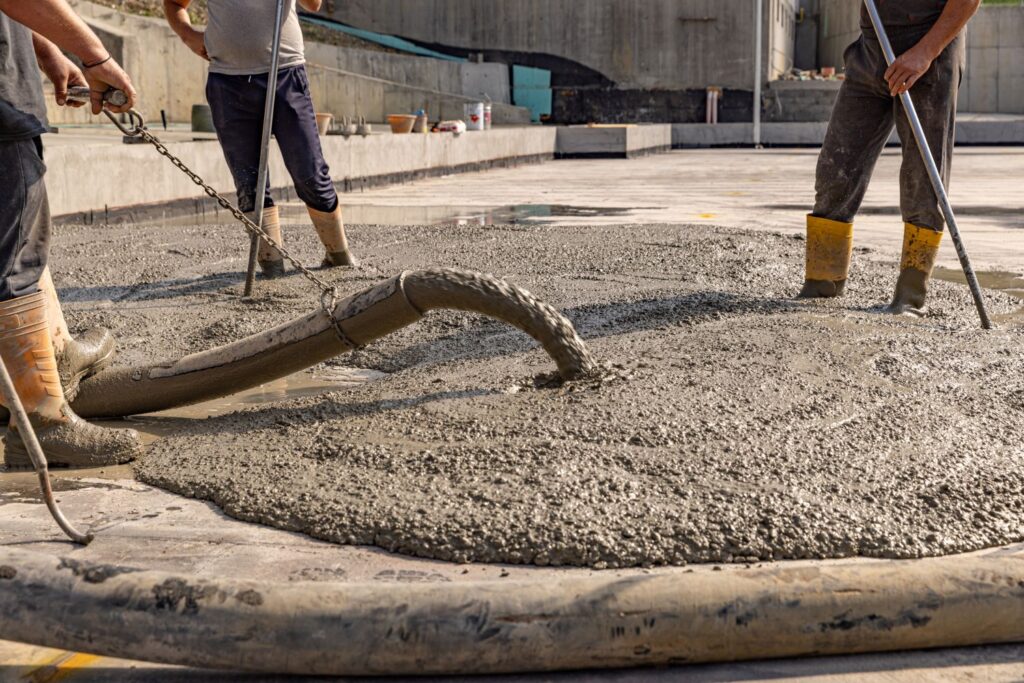
Building or renovating a home or condo to achieve smooth and beautiful surfaces is a common dream for many. One effective method to ensure seamless, attractive, and durable flooring is by using self-leveling concrete. This material not only helps create even surfaces but also reduces the time and labor required for floor leveling.
Benefits of Self-Leveling Concrete for Homes and Condos
Smooth and Even Surfaces
Self-leveling concrete is specially designed to automatically level surfaces, making it ideal for areas that require a smooth finish. Whether it’s preparing a surface for tiles, laminate, or hardwood, using self-leveling concrete ensures a clean and high-quality appearance.
Quick Drying and Ready for Use
With its fast-drying properties, self-leveling concrete shortens construction or repair times, allowing spaces to be used sooner. It also minimizes the risk of cracks caused by surface movement after the concrete is poured.
Durable and Low-Maintenance
Self-leveling concrete is strong and long-lasting, reducing the need for frequent repairs. Its ability to withstand heavy loads makes it suitable for high-traffic areas like kitchens and bathrooms.
Using Self-Leveling Concrete in Homes and Condos
Preparing the Surface Before Pouring
Proper surface preparation is essential to achieve the best results. Clean the area to remove dust, debris, and moisture, as these can prevent the concrete from adhering properly. Applying a primer before pouring can enhance adhesion and prevent cracking.
Pouring and Leveling the Concrete
Once the surface is prepared, mix the concrete as directed, pour it onto the surface, and let it self-level. Using a roller to eliminate air bubbles ensures a smooth finish and prevents trapped air beneath the surface.
Post-Pour Care
Allow the concrete to cure and dry according to the manufacturer’s instructions. Protecting the surface from moisture and dust during curing helps ensure the concrete’s strength and quality.
Choosing the Right Self-Leveling Concrete
Select Concrete Based on the Job
Self-leveling concrete comes in various types for specific applications, such as indoor leveling, outdoor projects, or weather-resistant options. Choose a type that suits your project to achieve the best results.
Consider the Thickness of the Pour
Certain types of self-leveling concrete can be applied in thin or thick layers, depending on the leveling needs. For minor adjustments, opt for a thin-layer solution. For uneven or sloped surfaces, choose a concrete type that supports thicker applications.
Conclusion
Self-leveling concrete simplifies surface leveling for homes and condos, offering automatic leveling capabilities for beautiful and even floors. By selecting the appropriate type for your project and preparing the area properly, you can achieve excellent results. This durable and versatile material makes modern construction and renovation projects more efficient and aesthetically pleasing.
